

With 2026 just around the corner, packaging producers have a lot to think about. From recyclability assessments in April’s data submissions to legislative changes in Europe, demands on producers are moving farther and faster than most of us have experienced.
The speed of change and sheer volume of information can be overwhelming, but with 16 years’ experience in untangling complex regulations, and working with brands, government, retailers and consumers to inform and explain change, OPRL has been preparing for this moment for years.
So, what are the most important issues for packaging producers as we head into 2026, and what help is out there? We sat down with Alice Harlock, Director of Technical and Member Services at OPRL to find out.
What does RAM mean for my business?
The first thing to say here is that Extended Producer Responsibility for Packaging (pEPR) is now in force across the UK. Under the legislation, brands and importers must declare the volume of individual packaging materials that they place onto the market and identify their recyclability status. They then pay a fee to cover the collection, sorting and recycling of that material at the end of its life.
From October 2026, non-recyclable packaging will be charged at a higher rate; the RAM (Recyclability Assessment Methodology) is the government’s guide to business to show which materials are classed as recyclable and which are not.
Getting to this point has taken a huge amount of work, but the RAM is still a work in progress. PackUK’s recyclability assessment methodology roadmap provides a clear timetable of reviews and important dates – for example, in 2026, two of the materials due for assessment are fibre based composites and flexible plastics. Changes coming in at different stages, so for our members, OPRL has made a useful guide to show the timeline of those reviews.
Understanding the recyclability of your packaging can also be difficult. We developed our recyclability assessment tool to make sure our expertise was easily available for our members. The OPRL tool is so popular that almost 4,000 assessments were completed in the run-up to the reporting deadline, but we appreciate the need for a human explanation. It’s important to remember that the team is also there to answer any questions.
What’s happening with labelling?
OPRL was set up as a voluntary scheme to provide clear labelling instructions for recycling, and our research shows that 89 per cent of people look to packaging for this information. Mandatory labelling is still planned under pEPR, but it is currently on hold pending decisions about UK alignment with EU labels. In Europe, labelling will be included under PPWR legislation. OPRL is closely involved in these conversations and we’ll continue to inform members as things develop. In the meantime, our labels ensure that as much packaging is recycled as possible.
Do OPRL labels reflect the RAM?
We’re often asked this question and, generally, OPRL labels are closely aligned with the RAM – if your packaging receives a green RAM rating, you will usually be eligible for the OPRL ‘Recycle’ label. However, there are a few exceptions. These tend to be the materials that are up for review in 2026. Once the reviews have taken place, we will look at how we align going forward.
What’s the difference between ‘Recyclable’ and ‘Certified as Recyclable’?
Our labels act as instructions to the consumer – they tell people what to do with their packaging when they finish with it. We’ve spent a lot of time understanding what’s going on with the infrastructure, and we work closely with all areas of the value chain to make sure that our tools include the right information to help put the right labels on the pack. But some packaging materials and designs are more complex than others. Sometimes you might want to go further, to really understand the design, materials and special features of
packaging items, to gain a clear analysis of its recyclability in the UK.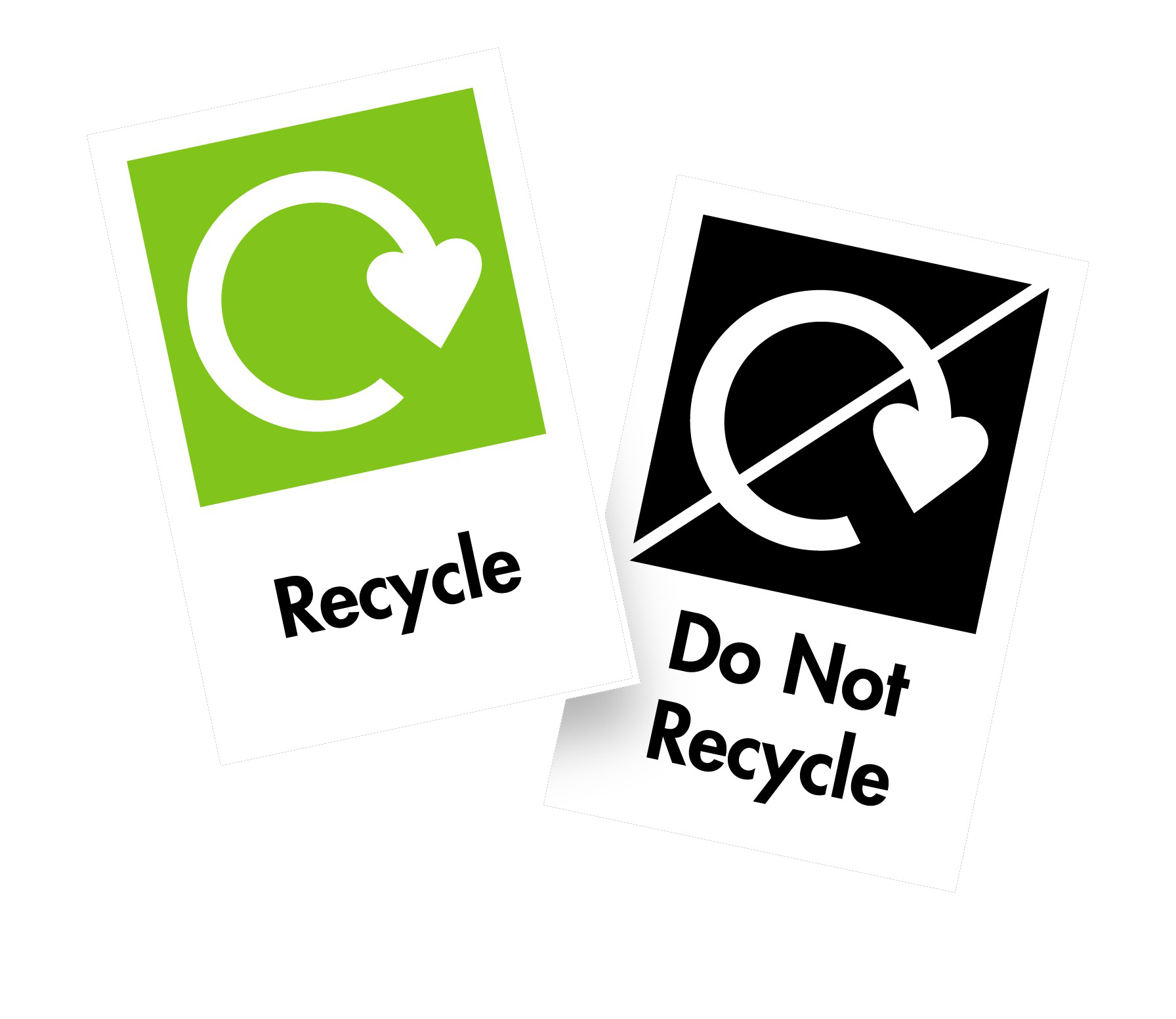
The Certified for Recycling scheme runs in partnership with RECOUP and DS Smith. Fibre-based and rigid plastic packaging are tested to ensure that the design and materials choices meet the capacity of UK recycling collections, sorting and recycling infrastructure.
How do consumers fit in?
This is one of the most crucial – and often overlooked – questions. Without consumer engagement, all the work on packaging design and reporting will be wasted. Put simply, the more packaging that goes into the right boxes (and this sometimes means not placing non-recyclable packaging into the recycling container), the more recycling will take place, and the lower the pEPR fees will be.
OPRL has undertaken a huge amount of consumer research over the years. As well as knowing there is an expectation to find recycling information on the label, we also know that 91 per cent of people recognise and understand the OPRL ‘Recycle’ label. So we are confident that our labels give consumers and brands the confidence to do the right thing.

To learn more about OPRL, please visit oprl.org.uk